
Ant Control in Springfield is important when ants begin appearing repeatedly in kitchens, bathrooms, basements, windows, or around exterior walls. Seeing one or two ants may not indicate a major infestation, but repeated trails often mean a colony is nearby or ants have found a reliable source of food or moisture.
Ants are social insects that live in colonies. Different species can behave differently, which is why identifying the type of ant and locating its entry point are important parts of effective pest management. The U.S. Environmental Protection Agency recommends an Integrated Pest Management approach that combines inspection, monitoring, prevention, and appropriate control methods rather than relying only on routine pesticide applications.
For Springfield homeowners, the goal should not simply be to kill visible ants. A more complete approach looks at why they are entering, where they are coming from, and what conditions are allowing them to remain active.
What Attracts Ants to Your Home?
Ants commonly enter buildings because they can find food, water, shelter, or an easy route inside. Even small amounts of food residue can attract foraging ants.
Common conditions that may contribute to ant activity include:
- Food crumbs and spills
- Open food containers
- Pet food left out for long periods
- Leaking faucets or plumbing
- Moist areas around sinks and bathrooms
- Cracks around windows and doors
- Gaps around pipes and utility lines
- Vegetation touching exterior walls
- Organic debris near the foundation
- Unsealed entry points around the structure
Cleaning can reduce available food sources, but it does not always eliminate an established colony. If ants continue appearing after basic sanitation and exclusion measures, a detailed inspection can help determine where the activity originates.
Ant Control in Springfield Starts with Inspection
A thorough inspection is one of the most important steps in an ant control program. Simply treating the areas where ants are visible may not address the source of the problem.
During an inspection, a pest control professional may look for:
Ant Trails
Ants often follow established trails between their colony and food or water sources. Following these trails can provide useful information about possible entry points and nesting areas.
Entry Points
Small cracks and openings around doors, windows, foundations, pipes, vents, and utility lines can provide access into a building.
Moisture Conditions
Some ant activity is associated with damp environments. Leaks, condensation, drainage problems, or moisture around the foundation can make certain areas more attractive to pests.
Nesting Locations
Depending on the species, ants may nest outdoors in soil, under stones, around landscaping, inside wall voids, near structural components, or in other protected locations.
Food and Sanitation Sources
Inspection also considers what may be attracting ants. Identifying these conditions can make future control more effective.
The EPA describes inspection and monitoring as core parts of IPM because accurate identification helps determine appropriate prevention and control measures.
Common Ant Problems Homeowners May Notice
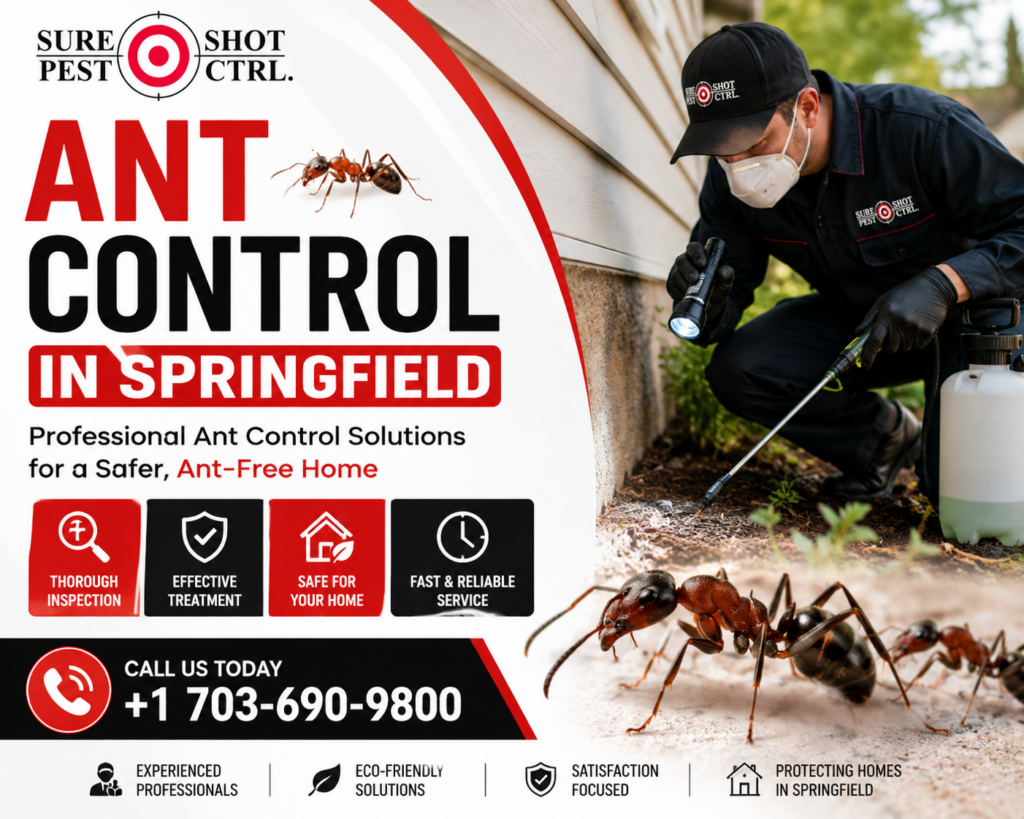
Not every ant problem looks the same. Small ants around a kitchen counter may require a different management strategy from larger ants repeatedly appearing around windows or structural areas.
Some common signs include:
Ant trails: Continuous lines of ants moving between an entry point and food source can indicate established activity.
Winged ants: Winged ants appearing indoors can sometimes indicate reproductive activity and may warrant further inspection.
Large ants near wood: Larger ants repeatedly appearing around wood or moisture-damaged areas deserve attention because some species can nest in or around compromised wood.
Ants around sinks or bathrooms: Recurring activity in moisture-prone areas may point toward water availability or concealed entry points.
Outdoor ant activity: Large numbers of ants around foundations, patios, landscaping, or walkways may indicate colonies close to the structure.
Proper identification matters because different species have different nesting habits and behaviors. Treating every ant problem in exactly the same way can lead to incomplete control.
How Professional Ant Control in Springfield Works
An effective Ant Control in Springfield program generally combines several steps rather than depending on one treatment.
1. Identify the Ant
The first step is determining what type of ant is present and understanding its behavior.
2. Locate Activity
Inspection helps identify trails, nesting areas, food sources, moisture problems, and structural entry points.
3. Reduce Attractants
Food, water, clutter, vegetation, and other conditions that support pest activity should be addressed whenever possible.
4. Address Entry Points
Sealing cracks and gaps can help reduce opportunities for ants to enter the property.
5. Apply Appropriate Control
When treatment is necessary, the method should be selected according to the ant species, location, infestation level, and surrounding conditions.
6. Monitor the Area
Follow-up monitoring can help determine whether ant activity is declining and whether additional measures are needed.
This approach reflects the principles of Integrated Pest Management. The EPA describes IPM as a combination of identification, monitoring, prevention, and control, with pesticides used carefully and when appropriate.
Why DIY Ant Treatments Sometimes Fall Short
Store-bought sprays can kill ants that are immediately visible, but visible ants are not necessarily the entire problem.
For example, spraying individual ants may provide temporary relief while the colony remains active elsewhere. Ants may also change their routes and appear in another part of the home.
Another common mistake is using too much pesticide without first identifying the problem. The EPA advises consumers to use pest control products carefully and to consider whether pesticide treatment is actually necessary.
A better strategy is to combine sanitation, exclusion, monitoring, and targeted treatment when needed.
How to Prevent Ants from Returning
Once an ant problem has been addressed, prevention can help reduce future activity.
Keep kitchen counters, floors, and dining areas free from food residue. Store food in sealed containers and clean spills promptly. Pet food should also be managed so it does not remain available for long periods.
Outside the home, keep vegetation and mulch from creating easy pathways against exterior walls. Remove unnecessary organic debris near the foundation and inspect areas where utility lines or pipes enter the building.
Moisture control is also important. Repair plumbing leaks, improve drainage where necessary, and investigate recurring damp areas.
The EPA specifically recommends reducing food, water, and shelter sources and sealing areas where pests can enter as part of an IPM strategy.
When Should You Schedule an Ant Inspection?
A professional inspection may be worthwhile when ants appear repeatedly, trails return after cleaning, ants are found in multiple rooms, or activity continues despite basic prevention.
You should also consider an inspection when:
- Ants repeatedly appear around windows or doors
- Large numbers of ants are found indoors
- Winged ants are appearing inside
- Ant activity continues in kitchens or bathrooms
- Ants are appearing from walls, ceilings, or other concealed areas
- You cannot determine where they are entering
- DIY treatments provide only temporary relief
Early investigation can help identify the conditions contributing to the infestation before the problem becomes more difficult to manage.
Choosing an Ant Control Company in Springfield
When selecting an Ant Control in Springfield Company, look beyond the promise of a quick spray. Ask whether the company performs a proper inspection, identifies the pest, explains the treatment approach, and provides recommendations for reducing future activity.
A reputable service should also explain how treatments will be performed and what preparation may be required. EPA guidance recommends choosing a pest control company carefully and considering providers that use Integrated Pest Management principles.
For homeowners, clear communication is particularly important. You should understand what areas are being treated, why treatment is being recommended, and what steps you can take between visits.
Why Choose Sure Shot Pest for Ant Control?
Sure Shot Pest provides pest management services for homeowners dealing with recurring pest activity. For ant problems, the process can begin with an inspection to better understand where ants are active and what conditions may be contributing to the issue.
The focus is on identifying the problem, addressing contributing conditions, and selecting appropriate control measures based on the situation.
If you are searching for Ant Control in Springfield, addressing the source of the activity is generally more useful than repeatedly treating individual ants that you can see.
FAQ
What is the best way to control ants in a house?
The most effective approach depends on the ant species and where the colony is located. Start by identifying the ants, removing food and water sources, sealing entry points, and monitoring activity. If ants continue returning, a professional inspection can help locate hidden activity and determine appropriate control measures.
How does Ant Control in Springfield work?
Ant Control in Springfield typically begins with an inspection to identify ant activity, possible entry points, food or moisture sources, and potential nesting areas. Depending on the findings, control may combine sanitation, exclusion, monitoring, baiting, or targeted treatment rather than relying on one method.
Why do ants keep coming back after spraying?
Ants may return because spraying visible ants does not necessarily address the colony, entry point, or conditions attracting them. Food, moisture, cracks, and outdoor nesting areas can continue supporting activity. Identifying the source and combining prevention with appropriate control can provide a more complete approach.
When should I call an ant control company?
Consider contacting an ant control company when ants repeatedly appear indoors, trails return after cleaning, activity occurs in multiple rooms, or DIY treatments provide only temporary relief. An inspection can help determine the species, locate likely entry points, and identify environmental conditions contributing to recurring activity.
Conclusion: Address the Source of Ant Activity
Ant problems can be frustrating, especially when ants continue appearing after cleaning or basic DIY treatments. Effective pest management starts with understanding the problem rather than focusing only on the ants that are visible.
Inspection, identification, sanitation, exclusion, monitoring, and targeted control can work together to manage ant activity and reduce the conditions that attract pests.
If you are dealing with recurring ants and need Ant Control in Springfield, contact Sure Shot Pest to discuss an inspection and appropriate pest management options for your property.