
A Mosquito Control Company can help homeowners and businesses reduce mosquito activity around outdoor spaces by identifying breeding areas, inspecting the property, and applying appropriate control methods. In Springfield, mosquito activity can become a recurring outdoor nuisance during the warmer months, making timely mosquito control an important part of maintaining comfortable yards and outdoor areas.
Mosquitoes are more than an annoyance. Some species can carry diseases, and the Virginia Department of Health notes that Virginia’s mosquito season generally runs from early May through early November.
Effective mosquito management is not simply about treating the mosquitoes that are flying around today. A complete approach considers where mosquitoes breed, how they enter outdoor areas, and which control methods are appropriate for the property.
That is where Sure Shot Pest can help homeowners understand their mosquito problem and take practical steps toward reducing mosquito activity.
What Does a Mosquito Control Company Do?
A Mosquito Control Company evaluates outdoor conditions that can contribute to mosquito activity and develops a treatment approach based on the property.
A typical mosquito control service may include:
- Property inspection
- Identification of standing-water sources
- Evaluation of mosquito resting areas
- Larval mosquito control where appropriate
- Targeted treatment of adult mosquitoes
- Recommendations for reducing breeding habitats
- Follow-up service when ongoing treatment is appropriate
The exact approach depends on the property, mosquito activity, weather, vegetation, drainage, and available breeding areas.
The U.S. Environmental Protection Agency recommends an integrated pest management approach that combines habitat reduction, structural barriers, larval control, adult mosquito control, monitoring, and education rather than relying on a single technique.
Mosquito Control Starts with an Inspection
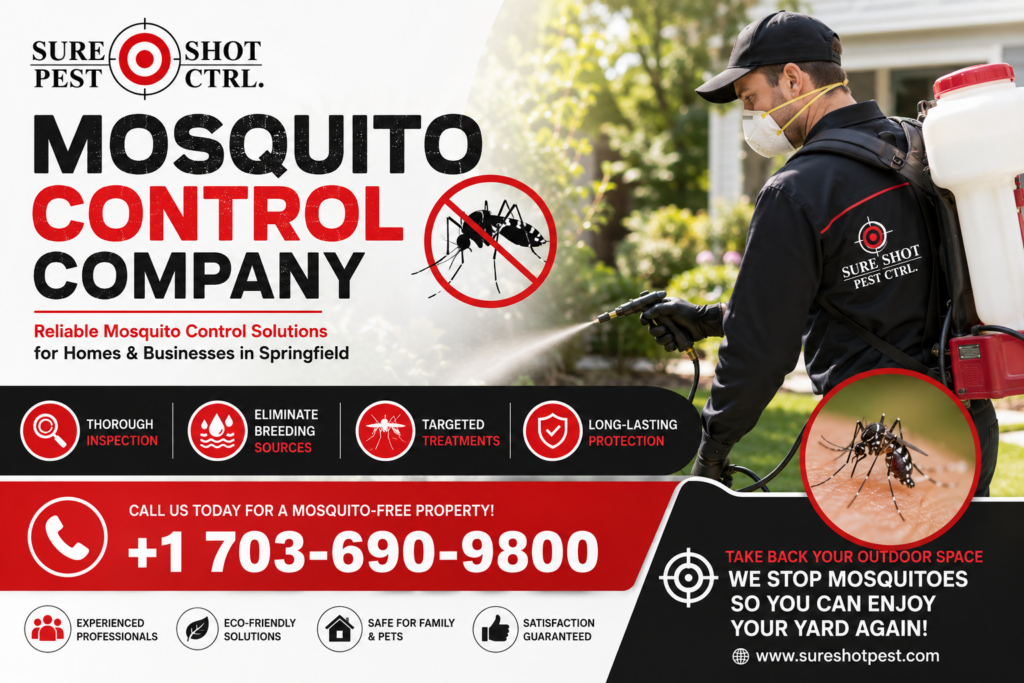
A proper Mosquito Control Inspection is an important first step because mosquitoes can breed in surprisingly small amounts of standing water.
During an inspection, attention may be given to areas such as gutters, buckets, toys, plant trays, birdbaths, decorative containers, drainage areas, unused equipment, and other locations capable of holding water.
The EPA specifically recommends removing standing water from common household items and changing water in birdbaths, fountains, rain barrels, and plant trays regularly.
Why Standing Water Matters
Mosquitoes require water during important stages of their life cycle. If water remains undisturbed, it can provide an opportunity for mosquito eggs and larvae to develop.
This means treating adult mosquitoes without addressing breeding conditions may leave part of the problem untouched.
A useful mosquito inspection therefore asks two questions:
- Where are mosquitoes currently active?
- Where could mosquitoes be developing on or near the property?
Finding and addressing both conditions can make mosquito control more comprehensive.
Common Mosquito Breeding Areas Around a Property
Homeowners sometimes look for large ponds or pools when thinking about mosquito breeding. However, smaller water-holding objects can also contribute to mosquito activity.
Common areas include:
- Clogged gutters
- Plant saucers
- Birdbaths
- Children’s toys left outdoors
- Buckets and containers
- Old tires
- Rain barrels
- Temporary pools
- Poorly draining areas
- Outdoor decorations that collect rainwater
The EPA recommends eliminating standing water and keeping swimming pools treated and circulating to reduce potential mosquito habitats.
After rainfall, property owners should walk around outdoor areas and look for containers or low spots that have collected water. This simple habit can support a broader mosquito control plan.
Mosquito Control Methods Used by Professionals
Mosquito management can involve several techniques depending on the property and the mosquito problem.
Habitat Reduction
Habitat reduction focuses on making outdoor areas less suitable for mosquito breeding. Removing unnecessary containers, improving drainage, cleaning gutters, and regularly changing water in outdoor features can reduce opportunities for mosquitoes to reproduce.
Larval Mosquito Control
Larval control focuses on mosquitoes before they become flying adults. Certain products are designed specifically for mosquito larvae in appropriate water habitats.
One example is Bti, a biological larvicide used in mosquito control. The EPA states that registered Bti products target mosquito larvae and are approved for certain residential, commercial, agricultural, and public-health uses.
Whether larval control is appropriate depends on the specific water source and treatment conditions.
Adult Mosquito Control
Adult mosquito treatments focus on mosquitoes that are already flying and active. Depending on the property, treatment may target areas where mosquitoes commonly rest, such as shaded vegetation and other suitable outdoor locations.
Any pesticide application should follow the product label and applicable requirements. The EPA emphasizes that pesticide labels provide directions for handling, application, and precautions.
How to Reduce Mosquitoes Around Your Springfield Home
Professional treatment works more effectively when homeowners also reduce conditions that encourage mosquito activity.
Start with the basics: remove standing water, maintain gutters, keep outdoor containers covered or emptied, and regularly inspect areas after rainfall.
Screens can also help prevent mosquitoes from entering homes. The EPA recommends keeping window and door screens in good condition and sealing gaps that may allow mosquitoes inside.
For personal bite prevention, EPA-registered repellents can be used according to their labels. Long sleeves, long pants, and avoiding areas with heavy mosquito activity can provide additional ways to reduce exposure.
These measures do not replace property treatment when mosquito activity is persistent, but they can support an overall mosquito management plan.
Why Springfield Property Owners May Need Seasonal Mosquito Control
Mosquito activity changes with weather and environmental conditions. Warm temperatures, rainfall, humidity, vegetation, and standing water can all influence mosquito populations.
The Virginia Department of Health identifies early May through early November as the general mosquito season in Virginia.
For Springfield homeowners, this means mosquito prevention should not necessarily begin only after outdoor activity becomes uncomfortable. Inspecting the property early in the season can help identify conditions that may contribute to mosquito breeding.
After periods of rain, another inspection can be useful because new temporary water sources may appear.
How Often Should Mosquito Control Be Done?
There is no single schedule that works for every property.
Treatment frequency can depend on mosquito pressure, weather, rainfall, vegetation, property layout, breeding habitats, and the type of service being provided.
Properties with persistent mosquito activity may require recurring seasonal service, while properties with limited mosquito pressure may need less frequent attention.
A qualified mosquito control provider can evaluate the property and explain what type of service is appropriate rather than applying the same schedule to every home.
Is Professional Mosquito Control Worth Considering?
Professional mosquito control may be worth considering when mosquitoes regularly interfere with outdoor activities, breeding areas are difficult to manage, or homeowners have already taken basic prevention steps but continue experiencing significant activity.
A professional inspection can help identify conditions that may not be obvious during a quick walk around the yard.
It is also important to understand that mosquito control is not about making a property permanently mosquito-free. Outdoor environments constantly change, and mosquitoes can enter from surrounding areas. The practical goal is to reduce mosquito activity by addressing breeding conditions and treating appropriate areas.
What Should You Ask a Mosquito Control Company?
Before scheduling mosquito treatment, homeowners can ask several straightforward questions:
- Will the property receive a mosquito inspection?
- Will standing-water sources be identified?
- What areas will be treated?
- Which mosquito life stages does the service address?
- What preparation is required before treatment?
- Are there precautions for children, pets, plants, or outdoor activities?
- Is follow-up service recommended?
- What can homeowners do between treatments?
Clear answers help homeowners understand what the service involves and what role they play in mosquito prevention.
Why Choose Sure Shot Pest for Mosquito Control?
Sure Shot Pest provides pest management services for homeowners and businesses seeking practical solutions for common pest problems.
For mosquito concerns, the process should begin with understanding the property and the conditions contributing to mosquito activity. Inspection, habitat reduction, appropriate treatment, and homeowner prevention can work together as part of an integrated approach.
This approach is consistent with guidance from the EPA and CDC, which emphasizes combining multiple mosquito management techniques based on monitoring and site conditions.
If mosquitoes are making your Springfield outdoor spaces difficult to enjoy, Sure Shot Pest can help you evaluate the situation and determine the appropriate next step.
FAQ
1. What does a Mosquito Control Company do?
A Mosquito Control Company inspects outdoor areas for mosquito activity and potential breeding habitats, then recommends appropriate control measures. Services may include standing-water assessment, larval control, targeted adult mosquito treatment, habitat reduction, and prevention guidance based on the property’s conditions.
2. How does a Mosquito Control Inspection work?
A Mosquito Control Inspection examines areas where mosquitoes may breed or rest, including gutters, containers, vegetation, drainage areas, and standing water. The inspection helps identify environmental conditions contributing to mosquito activity so treatment can focus on appropriate areas instead of relying on a single control method.
3. When is mosquito season in Springfield, Virginia?
Virginia’s mosquito season generally runs from early May through early November, according to the Virginia Department of Health. Actual mosquito activity can vary with temperature, rainfall, humidity, and local environmental conditions, so homeowners may notice mosquitoes at different levels throughout the season.
4. Can homeowners reduce mosquitoes without professional treatment?
Yes. Removing standing water, cleaning gutters, maintaining screens, emptying outdoor containers, and keeping pools properly maintained can reduce mosquito breeding opportunities. The EPA recommends combining these preventive steps with appropriate mosquito control methods when necessary.
Conclusion: Take Control of Your Outdoor Space
Mosquito control is most effective when it looks beyond the mosquitoes that are currently flying around the yard. A careful Mosquito Control Inspection can identify standing water, breeding conditions, resting areas, and other factors contributing to mosquito activity.
For Springfield homeowners, seasonal awareness is also important because mosquito activity can continue through much of the warmer months.
If mosquitoes are affecting your yard, patio, business property, or outdoor activities, contact Sure Shot Pest to discuss your mosquito control needs and schedule an inspection