
Mosquitoes can quickly turn a peaceful evening outdoors into an uncomfortable experience. From backyard gatherings to relaxing on the patio, these pests can make it difficult to enjoy your outdoor spaces. A professional Mosquito Control Company can help homeowners identify mosquito breeding areas, reduce mosquito populations, and develop practical solutions to minimize mosquito activity around their properties.
In Springfield, Virginia, warm temperatures, seasonal rainfall, shaded landscaping, and standing water can create favorable conditions for mosquitoes. Understanding where mosquitoes breed and how they spread is an important first step toward managing them effectively.
At Sure Shot Pest, mosquito control focuses on identifying pest activity, inspecting outdoor environments, and helping homeowners understand the steps needed to reduce mosquito problems around their homes.
Why Mosquitoes Become a Problem Around Homes
Mosquitoes are more than just annoying insects. Their bites can cause itching, swelling, and discomfort, while certain mosquito species can transmit diseases. Their activity often increases during warmer months, particularly when moisture and suitable breeding locations are readily available.
Common mosquito breeding locations include:
- Standing water in buckets, containers, and flowerpots
- Clogged gutters and drainage areas
- Birdbaths and outdoor water features
- Low spots in yards where rainwater collects
- Unused tires and discarded outdoor items
- Overgrown vegetation and shaded areas
Even a small amount of stagnant water may provide a suitable environment for mosquito larvae to develop. Regular outdoor maintenance and mosquito inspections can help homeowners identify these conditions before mosquito populations become more noticeable.
How a Mosquito Control Company Helps Reduce Mosquito Activity
A professional mosquito control company takes a targeted approach to identifying and managing mosquito activity. Instead of treating mosquitoes only when they become visible, the process may involve examining the property, locating potential breeding sites, and identifying areas where adult mosquitoes rest.
A professional mosquito control inspection may include examining the yard, checking areas with poor drainage, identifying water-holding containers, and evaluating vegetation around outdoor living spaces.
Based on the inspection, a treatment or management plan may focus on reducing breeding opportunities and addressing areas where mosquito activity is concentrated.
Professional mosquito control can be especially helpful for properties with recurring mosquito problems, large landscaped yards, shaded outdoor spaces, or areas near ponds and drainage features.
What Happens During a Mosquito Control Inspection?
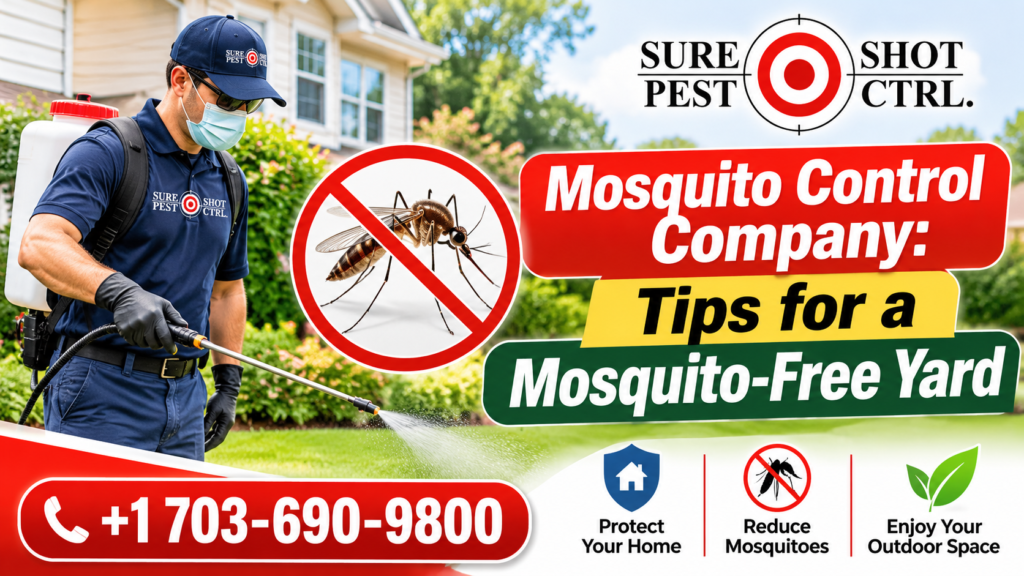
A mosquito control inspection helps determine why mosquitoes are gathering around a property and what conditions may be contributing to their population.
1. Identify Mosquito Breeding Sites
The inspection begins with looking for water sources where mosquitoes may lay eggs. Small containers, clogged gutters, drainage problems, and other water-holding areas can be overlooked during routine yard maintenance.
Finding these locations is important because mosquito control becomes more effective when breeding conditions are addressed.
2. Examine Shaded and Moist Areas
Adult mosquitoes often rest in shaded areas with vegetation, moisture, and limited airflow. A mosquito inspection may include checking shrubs, bushes, tree lines, ground cover, and spaces around decks or fences.
These areas can provide shelter during the hottest parts of the day.
3. Evaluate Outdoor Living Spaces
Patios, porches, decks, playgrounds, and backyard seating areas are often where homeowners notice mosquito activity most.
An inspection can help identify nearby conditions that may be contributing to mosquito presence and determine which areas need attention.
4. Recommend Practical Mosquito Management Steps
After identifying mosquito activity, the company may recommend removing standing water, improving drainage, trimming vegetation, or applying appropriate mosquito treatments when needed.
The goal is to address mosquito activity while considering the property’s layout, environmental conditions, and treatment requirements.
Mosquito Control Methods Homeowners Should Know
Mosquito control generally works best when several prevention and management methods are used together. Depending on the property, the following approaches can help reduce mosquito activity.
Eliminate Standing Water
Removing standing water is one of the most important mosquito prevention steps. Homeowners should empty containers, clean gutters, refresh water in outdoor features when appropriate, and correct drainage problems.
Mosquitoes can reproduce in surprisingly small amounts of water, so checking the yard regularly can make a meaningful difference.
Maintain Landscaping
Trimming overgrown bushes, removing excess yard debris, and keeping vegetation maintained can help reduce sheltered resting areas for adult mosquitoes.
Improved airflow and sunlight may also help certain outdoor areas become less favorable for mosquito activity.
Use Targeted Mosquito Treatments
Professional mosquito treatments may be used in areas where adult mosquitoes rest or where mosquito activity has been identified. Treatment selection depends on the location, mosquito activity, environmental conditions, and product label directions.
A qualified mosquito control company should explain where treatments are applied, any precautions that homeowners need to follow, and how to protect people, pets, and beneficial insects.
Consider Mosquito Larvae Management
In water sources that cannot be emptied, certain mosquito larval control products may be appropriate. These products are designed to target immature mosquitoes before they become adults, but they should only be used in suitable locations and according to their labels.
Why Mosquito Control in Springfield Requires Seasonal Attention
Springfield’s seasonal weather can create changing mosquito conditions throughout the year. Spring rainfall may leave standing water, while summer heat can increase mosquito development when moisture is available.
Homeowners may notice mosquito activity around shaded yards, wooded property edges, drainage areas, and outdoor structures.
Seasonal mosquito prevention is useful because it addresses conditions before mosquito populations become overwhelming. Early inspections, routine yard maintenance, and timely mosquito management can help homeowners enjoy outdoor areas more comfortably during warmer months.
Mosquito activity may also continue into mild periods of fall, depending on weather conditions and the mosquito species present.
DIY Mosquito Control vs. Professional Mosquito Control
Homeowners can take several useful steps to reduce mosquitoes, but recurring mosquito problems may require a more thorough inspection and treatment strategy.
| DIY Mosquito Prevention | Professional Mosquito Control |
| Empty standing water | Identify overlooked breeding locations |
| Clean gutters regularly | Inspect property-specific mosquito hotspots |
| Trim shrubs and vegetation | Recommend targeted management |
| Use outdoor fans | Evaluate recurring mosquito activity |
| Maintain water features | Provide appropriate treatment options |
DIY prevention is a good starting point for every property. However, mosquitoes may continue to gather when breeding locations are difficult to locate, neighboring conditions contribute to mosquito activity, or the yard contains extensive shaded and moist areas.
A professional inspection can help homeowners understand what is contributing to the problem and which steps are worth prioritizing.
How to Prepare Your Yard for Mosquito Treatment
Preparing the property before a mosquito control service may help the inspection and treatment process go more smoothly.
Homeowners should consider removing toys, outdoor clutter, and unnecessary containers that collect water. Gates should be accessible, and the service provider should be informed about pets, outdoor activities, water features, or sensitive areas.
Always follow the service provider’s preparation instructions. If treatment is planned, ask about product use, re-entry instructions, watering restrictions, and precautions for children, pets, and pollinators.
Good preparation helps the mosquito control company assess the property and identify areas that need attention.
Choosing the Right Mosquito Control Company
Choosing a mosquito control company is about more than finding a service that applies treatments. Homeowners should look for a company that understands mosquito behavior, provides property inspections, explains treatment options clearly, and follows applicable safety requirements.
Before selecting a service, consider whether the company:
- Explains the mosquito inspection process
- Identifies breeding and resting areas
- Provides clear treatment recommendations
- Explains product precautions and application details
- Offers practical prevention guidance
- Answers questions about recurring mosquito activity
A reliable mosquito control service should help you understand your mosquito problem rather than simply recommend treatment without explaining the property’s conditions.
FAQs
1. When should I contact a Mosquito Control Company?
You should contact a mosquito control company when mosquito activity becomes frequent, outdoor spaces are difficult to enjoy, or mosquitoes continue appearing despite removing standing water and maintaining the yard. An inspection can help identify breeding locations and determine whether additional control measures are needed.
2. How does mosquito control work?
Mosquito control combines breeding-site reduction, property maintenance, inspection, and targeted treatments when appropriate. Removing standing water helps prevent mosquito development, while professional treatments may address adult mosquitoes in their resting areas. Combining these methods generally provides a more practical approach than relying on a single treatment.
3. Does mosquito control in Springfield require an inspection?
An inspection is helpful because mosquito activity can vary from one property to another. A mosquito control inspection identifies water sources, shaded resting locations, drainage concerns, and outdoor areas where mosquito activity may be concentrated. This information helps determine suitable prevention and treatment options.
4. How can I prevent mosquitoes from returning after treatment?
Regularly remove standing water, clean gutters, maintain shrubs, check outdoor containers, and correct drainage issues. Mosquitoes can reproduce when new water sources become available, so ongoing maintenance is important. Depending on weather and property conditions, additional mosquito management may also be needed.
Conclusion: Enjoy Your Outdoor Space with Fewer Mosquitoes
Mosquito problems can make backyards, patios, and outdoor gatherings uncomfortable, but understanding mosquito behavior and eliminating breeding conditions can help reduce their presence.
Routine yard maintenance, standing-water removal, property inspections, and targeted mosquito treatments can work together to manage mosquito activity. For homeowners experiencing recurring problems, a professional Mosquito Control Company can help identify overlooked breeding areas and recommend suitable solutions.
Sure Shot Pest provides pest control services for homeowners looking to address mosquito activity and other pest concerns.
If mosquitoes are keeping you from enjoying your outdoor space, contact Sure Shot Pest to learn more about mosquito control options in Springfield, Virginia.
Contact Sure Shot Pest
Phone: +1 703-690-9800
Website: Sure Shot Pest