
Introduction
Cockroach Control in Springfield is important for homeowners and businesses that want to maintain clean, comfortable, and sanitary indoor spaces. Cockroaches can enter through small gaps, hide in warm and damp areas, contaminate food-contact surfaces, and reproduce quickly when conditions support their survival. Spotting one cockroach may indicate that other pests are hiding nearby.
Understanding the signs of a cockroach infestation, the places these pests prefer, and the steps that help prevent them can make a significant difference. Whether you have noticed cockroaches in your kitchen, bathroom, basement, or commercial property, early action can help you address the problem before it becomes more difficult to manage.
This guide from Sure Shot Pest explains how to recognize cockroach activity, reduce the conditions that attract these insects, prepare for a professional inspection, and understand available treatment options in Springfield, Virginia.
Why Cockroach Problems Develop in Springfield
Cockroaches seek food, moisture, shelter, and suitable temperatures. Homes and businesses can provide all four, especially when food crumbs, leaking pipes, clutter, or accessible garbage are present.
Seasonal weather changes can also influence pest activity. During colder periods, some cockroaches may seek sheltered indoor environments, while warm weather can support activity around outdoor waste areas, drains, and building entry points.
Common factors that contribute to cockroach problems include:
- Leaking faucets, pipes, and condensation around appliances.
- Food scraps, grease, and crumbs left on counters or floors.
- Unsealed food containers and uncovered garbage.
- Cardboard boxes, clutter, and undisturbed storage spaces.
- Cracks around plumbing, doors, windows, and utility lines.
- Cockroaches introduced through deliveries, used appliances, furniture, or neighboring units.
Even a well-maintained property can experience cockroach activity. These insects can enter through small openings or arrive in items brought indoors, so prevention requires more than cleaning alone.
Signs You May Need Cockroach Control in Springfield
Recognizing an infestation early helps property owners determine when additional action may be necessary. Cockroaches are often active at night, which means visible daytime activity can sometimes indicate a substantial population or limited hiding space.
1. Live Cockroaches
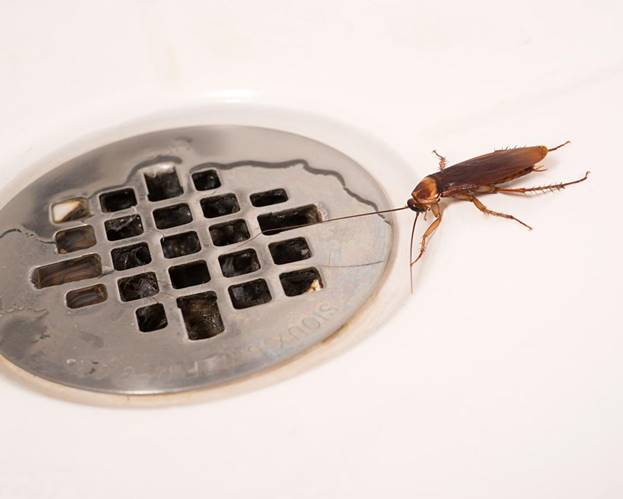
Seeing cockroaches in kitchens, bathrooms, laundry rooms, or near drains is an obvious warning sign. German cockroaches often hide close to food and moisture, while American cockroaches may be encountered in basements, utility areas, and other damp locations.
The appearance and size of a cockroach can help narrow down the likely species, although a professional identification may be needed.
2. Droppings and Dark Marks
Cockroach droppings may look like black specks, ground pepper, or small cylindrical pellets, depending on the species. They may appear inside cabinets, along wall edges, near appliances, and around food-storage areas.
Dark smears can also develop where cockroaches repeatedly travel through moist or greasy surfaces.
3. Egg Cases and Shed Skins
Cockroaches produce egg cases called oothecas. Depending on the species, these cases can vary in size, shape, and color. Shed skins may also collect around hiding places as immature cockroaches grow.
Finding these materials in cupboards, behind refrigerators, or near plumbing can indicate ongoing pest activity.
4. Unusual Odors
A heavy infestation may produce a persistent, unpleasant or musty odor. However, smells alone cannot confirm cockroach activity because drains, mold, and other sources can create similar conditions.
5. Daytime Sightings
Cockroaches commonly hide in cracks and other protected spaces during daylight. Seeing them regularly during the day, particularly in multiple rooms, warrants closer inspection.
Where Cockroaches Hide Inside a Property
Knowing the common hiding places helps make an inspection more thorough.
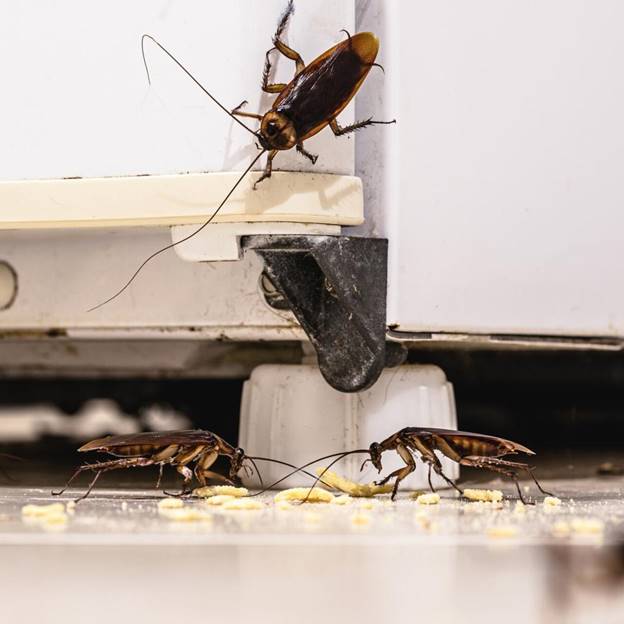
Kitchen appliances
Refrigerators, dishwashers, ovens, and microwaves can provide warmth and nearby food residue. Inspect the surrounding gaps, floor edges, and cabinet spaces.
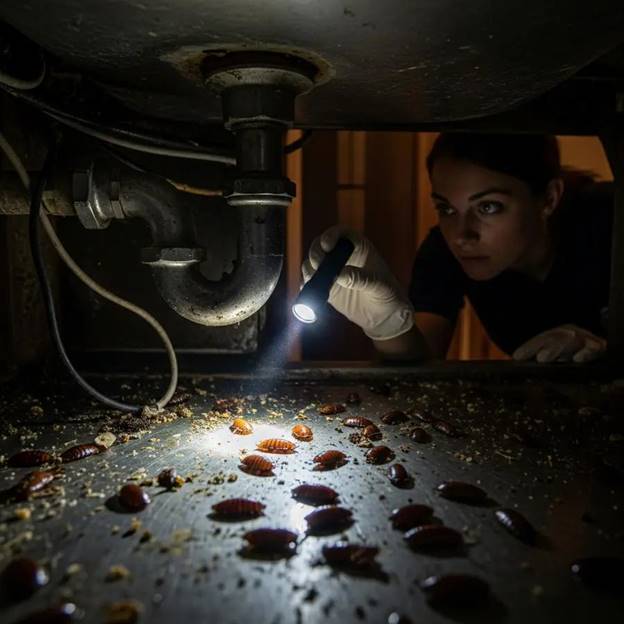
Bathrooms and plumbing areas
Moisture around sinks, toilets, and pipes can attract cockroaches. Repair leaks and check openings where plumbing enters walls or cabinets.
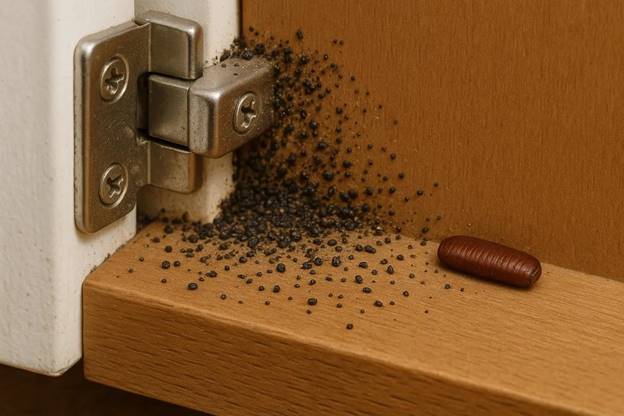
Cabinets and storage areas
Dark corners, cardboard packaging, pantry shelves, and clutter can provide shelter. Keep stored items organized and check for droppings or egg cases.
Basements and utility rooms
Damp corners, floor drains, water heaters, and pipe openings may provide suitable hiding places. Reduce excess moisture and seal accessible gaps where appropriate.
How to Prevent Cockroaches in Your Home
Preventing cockroaches begins with removing the food, water, and shelter they need. According to the U.S. Environmental Protection Agency (EPA), Integrated Pest Management (IPM) combines preventive measures, monitoring, and targeted treatments to address pest problems while reducing unnecessary pesticide use.
Keep Kitchens Clean
Clean counters, sweep floors, remove crumbs, and wash dishes regularly. Pay special attention to areas beneath appliances and inside cabinet corners. Store dry foods, snacks, and pet food in tightly sealed containers.
Reduce Moisture
Repair leaking faucets and pipes, dry wet sinks, and address condensation around appliances. Check damp storage areas and improve ventilation when necessary. Removing accessible water can make a property less attractive to cockroaches.
Seal Entry Points
Inspect gaps around plumbing, baseboards, windows, doors, and utility lines. Use appropriate sealants or door sweeps to close openings where cockroaches may enter. For larger gaps or damaged building materials, arrange suitable repairs.
Manage Garbage and Clutter
Use bins with secure lids and remove waste regularly. Recycle cardboard promptly, inspect deliveries before storing them, and keep storage areas organized. These steps reduce hiding places and make pest activity easier to identify.
Monitor Activity
Place suitable sticky monitoring traps in areas where cockroaches have been seen, such as beneath sinks or behind appliances. Keep traps away from children and pets, and check them regularly. Trap locations and capture patterns can help identify areas that need further attention.
What Happens During a Professional Cockroach Inspection?
A professional cockroach inspection helps identify the species, locate hiding places, and determine the extent of the problem. Treatment should address the conditions supporting the infestation rather than focusing only on the cockroaches that are visible.
A typical inspection may include the following steps:
- Discussing the problem: The technician asks where and when cockroaches have been observed and whether previous treatments were attempted.
- Checking likely hiding places: Kitchens, bathrooms, appliances, cabinets, utility spaces, and plumbing openings receive attention.
- Identifying the species: The type of cockroach helps guide the selection of suitable control methods.
- Assessing contributing conditions: The inspection looks for leaks, food residue, clutter, entry points, and other factors that may sustain activity.
- Recommending a treatment plan: Depending on the findings, the plan may include sanitation, exclusion, baiting, targeted pesticide applications, and monitoring.
- Planning follow-up: Additional checks or treatments may be necessary, particularly for established infestations.
The Illinois Department of Public Health explains that inspection, sanitation, exclusion, and follow-up are important components of long-term cockroach management.
Illinois Department of Public Health
Cockroach Treatment Options: What Works?
The appropriate treatment depends on the cockroach species, infestation level, property layout, and available food and water sources.
Cockroach Baits and Bait Stations
Baits attract cockroaches to a product designed to kill them. Gel baits or enclosed bait stations may be placed near suitable hiding places according to product directions. Their effectiveness can be reduced when alternative food sources remain available or when products are placed incorrectly.
Targeted Insecticide Applications
A pest control professional may use appropriately labeled products in specific cracks, crevices, or other suitable locations. Applications must follow the product label, including precautions for food-contact surfaces, children, pets, and occupants.
Sanitation and Exclusion
Cleaning food residue, repairing leaks, removing clutter, and sealing entry points help reduce the conditions that allow cockroaches to survive. These measures are essential companions to chemical treatments.
Monitoring and Follow-Up
A single visit may not resolve every infestation. Egg cases, hidden harborages, neighboring units, and continued entry can affect progress. Follow-up inspections help assess whether activity is decreasing and whether the treatment plan needs adjustment.
Important safety note: Avoid relying on household foggers or indiscriminate spraying. The CDC recommends reducing food and water access, sealing gaps, and avoiding sprays and foggers that may trigger asthma attacks. Always follow pesticide label instructions.
When Should You Contact a Cockroach Control Specialist?
Home prevention may help with occasional sightings, but recurring activity or evidence of a larger infestation may require professional attention.
Consider contacting a Cockroach Control Specialist when you notice:
- Cockroaches appearing repeatedly despite regular cleaning.
- Droppings, egg cases, or shed skins in several locations.
- Activity around refrigerators, ovens, cabinets, or plumbing.
- Cockroaches appearing during daylight hours.
- A continuing problem in an apartment or shared building.
- Concerns about using pest control products safely around children, pets, or people with asthma.
For multi-unit housing, coordinate with the landlord or property manager because cockroaches can move between connected spaces. Treating one apartment without addressing related activity elsewhere may not resolve the underlying problem.
Choosing a Cockroach Control Company in Springfield
When evaluating a pest control company, look for a clear inspection process, appropriate licensing for the services provided, and an explanation of the proposed treatment.
Ask whether the company identifies the cockroach species, explains the products and precautions, addresses entry points and moisture, and recommends follow-up when needed. A written treatment plan can help you understand what the service includes and what you need to do before and after the visit.
Sure Shot Pest can be considered when researching cockroach control options in Springfield, Virginia. Contact the company to confirm current service availability, inspection arrangements, treatment methods, and any applicable service terms before scheduling.
Health and Hygiene Concerns
Cockroaches can contaminate food and food-preparation surfaces as they move through waste areas and other unsanitary locations. Their droppings, saliva, and body parts can also contain allergens that may worsen asthma symptoms in sensitive individuals.
To reduce exposure, store food securely, clean contaminated surfaces appropriately, remove waste, and address pest activity promptly. If someone in your household experiences worsening asthma or allergic symptoms, consult a healthcare professional for individual medical advice.
FAQs
1. How do I know if I need Cockroach Control in Springfield?
Repeated sightings, droppings, egg cases, shed skins, or cockroaches appearing in several rooms can indicate an infestation. Start by removing food and water sources and checking common hiding places. If activity continues or you find evidence in multiple areas, arrange a professional inspection to identify the species and suitable treatment options.
2. What attracts cockroaches to a clean home?
Cockroaches can enter clean homes through small gaps, deliveries, used appliances, furniture, or connected buildings. They need relatively small amounts of food, water, and shelter to survive. Check plumbing areas, appliance gaps, cardboard packaging, and entry points, even if you maintain a regular cleaning routine.
3. How long does cockroach treatment take to work?
The timeline depends on the cockroach species, infestation size, treatment method, and property conditions. Baits may take several days or longer to produce a noticeable reduction, and established infestations may need follow-up visits. A technician can recommend a monitoring schedule and explain when progress should be reassessed.
4. Should I hire a Cockroach Control Specialist or use DIY products?
DIY prevention and monitoring can help with limited activity, but recurring infestations may require professional identification and targeted treatment. A Cockroach Control Specialist can assess hiding places, entry points, and contributing conditions. If you use a home pesticide, follow the label carefully and keep it away from children and pets.
Conclusion: Take Action Against Cockroaches
Cockroach Control in Springfield starts with identifying the pest, locating its hiding places, reducing moisture, improving sanitation, and sealing possible entry points. When cockroaches continue to appear, a professional inspection can help determine the source of the problem and the most appropriate treatment plan.
Sure Shot Pest is a company to contact when exploring pest control services in Springfield, Virginia. Reach out to discuss your cockroach concerns, ask about inspection availability, and learn which treatment options may suit your property.
Protect your home or business by addressing cockroach activity early and maintaining consistent prevention practices.