
A Termite Inspection Company helps homeowners identify termite activity, assess possible wood damage, and understand the next steps for managing an infestation. In Springfield, Virginia, regular termite inspections can help property owners recognize warning signs before hidden damage becomes a costly repair issue.
Termites often remain inside wood, behind walls, or beneath floors, making them difficult to detect without a careful examination. Even a clean-looking home can have termite activity in areas that are not visible during everyday cleaning or maintenance.
For homeowners, understanding the termite inspection process is an important part of maintaining a property. Sure Shot Pest helps homeowners understand common termite concerns, recognize potential warning signs, and explore appropriate pest control services.
This guide explains how termite inspections work, which signs to look for, when to schedule an inspection, and how to reduce conditions that may attract termites.
What Does a Termite Inspection Company Do?
A termite inspection company examines accessible areas of a property for evidence of termites, conditions that support termite activity, and signs of possible structural damage. Depending on the property and inspection scope, this may include the foundation, crawl spaces, basement, wooden structures, and areas where moisture collects.
A professional inspection generally focuses on three key areas:
- Termite evidence: Mud tubes, discarded wings, damaged wood, or visible insects.
- Potential entry points: Foundation gaps, wood-to-soil contact, and openings around utility lines.
- Conditions that encourage activity: Excess moisture, poor drainage, and untreated wood near the ground.
An inspection does not automatically mean termites are present. Its purpose is to evaluate accessible areas, document relevant findings, and determine whether further investigation or treatment may be appropriate.
For Springfield homeowners, a qualified inspection company can also explain the difference between visible termite evidence, suspected activity, and confirmed infestation.
Why Is Termite Inspection Important in Springfield, VA?
Springfield experiences seasonal weather changes, including warm, humid periods that can create favorable conditions for termite activity. Subterranean termites, which live in soil and build protective tunnels, are an important concern for properties throughout Virginia.
Termites feed on cellulose found in wood, paper, and other plant-based materials. They may damage floor joists, wall framing, wooden supports, and other components of a building while remaining largely hidden.
Regular inspections can help homeowners identify problems earlier, particularly in properties with crawl spaces, basement moisture, wooden decks, or landscaping close to the foundation.
A termite inspection is especially worth considering when:
- You notice mud tubes along foundation walls.
- Wooden surfaces sound hollow or appear damaged.
- Discarded insect wings appear near windows or doors.
- Your property has persistent moisture or drainage problems.
- You are buying, selling, or renovating a home.
- You have not had the property inspected in several years and suspect termite activity.
Inspection frequency depends on the property’s condition, its history, local conditions, and any applicable treatment or warranty recommendations. An annual inspection may be appropriate for some properties, but there is no single schedule that fits every home.
Common Signs That You Need a Termite Inspection
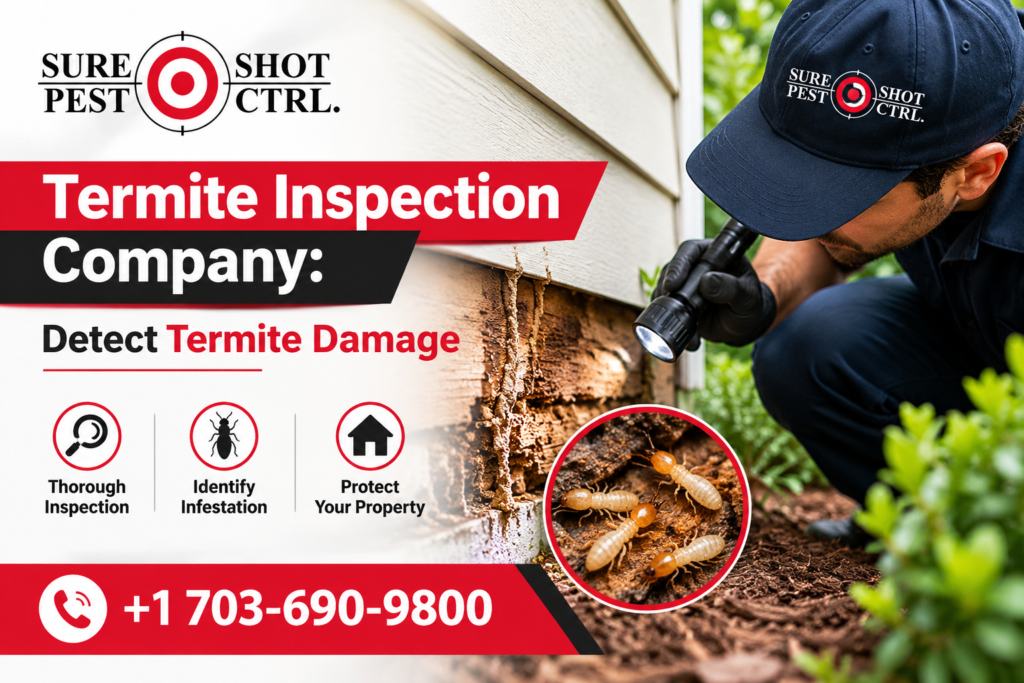
Termite damage can develop out of sight, so recognizing early warning signs is important. According to Virginia Cooperative Extension, subterranean termites have a hidden lifestyle and may remain concealed in soil, wood, or mud tunnels.
1. Mud Tubes Along the Foundation
Mud tubes are narrow, soil-like tunnels that termites build to travel between the ground and their food sources while maintaining a protected environment. Look for them on foundation walls, basement surfaces, crawl-space supports, and other areas where wood meets or approaches the ground.
Their presence is a reason to arrange a professional inspection. Avoid assuming that an old-looking tube is inactive without further assessment.
2. Hollow or Damaged Wood
Termites can consume wood internally, leaving a thin outer layer that hides the damage. Wooden door frames, baseboards, floor supports, and window frames may look normal but feel weak or sound hollow when tapped.
Other warning signs include blistered wood, soft surfaces, and unexplained deterioration. Water damage and wood decay can cause similar symptoms, so an inspection can help distinguish between possible causes.
3. Discarded Wings Near Windows and Doors
Reproductive termites, often called swarmer’s, leave established colonies to start new ones. After swarming, they may shed their wings near windowsills, doors, light fixtures, and other surfaces.
Finding discarded wings indoors does not establish the exact location or extent of an infestation, but it warrants further investigation. Winged ants can look similar, so accurate identification matters.
4. Changes in Wooden Surfaces
Paint that bubbles, wood that appears warped, and unexplained cracks may indicate moisture problems, termite activity, or another building issue. These signs alone do not confirm termites, but they can help identify areas that deserve closer attention.
If you notice several warning signs together, arrange an inspection rather than relying on appearance alone.
How Does a Termite Inspection Company Inspect a Home?
A termite inspection typically involves a systematic visual examination of accessible areas, identification of possible termite evidence, and documentation of findings. The exact process depends on the property’s design, access limitations, and the type of inspection requested.
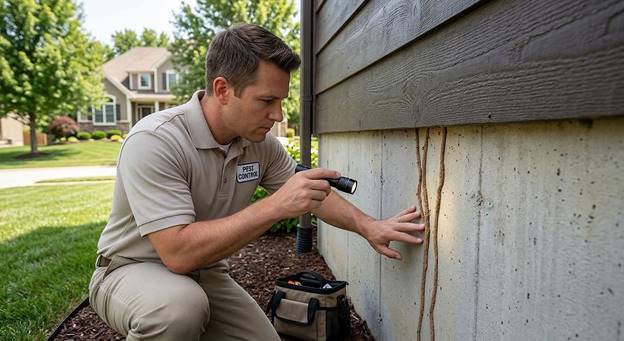
Step 1: Exterior and Foundation Inspection
The inspector checks accessible foundation walls, exterior siding, entry points, decks, porches, landscaping, and areas where soil or mulch touches wooden components.
Step 2: Interior and Structural Inspection
Accessible basements, crawl spaces, utility areas, wooden framing, baseboards, and moisture-prone locations are checked for mud tubes, damaged wood, and other evidence.
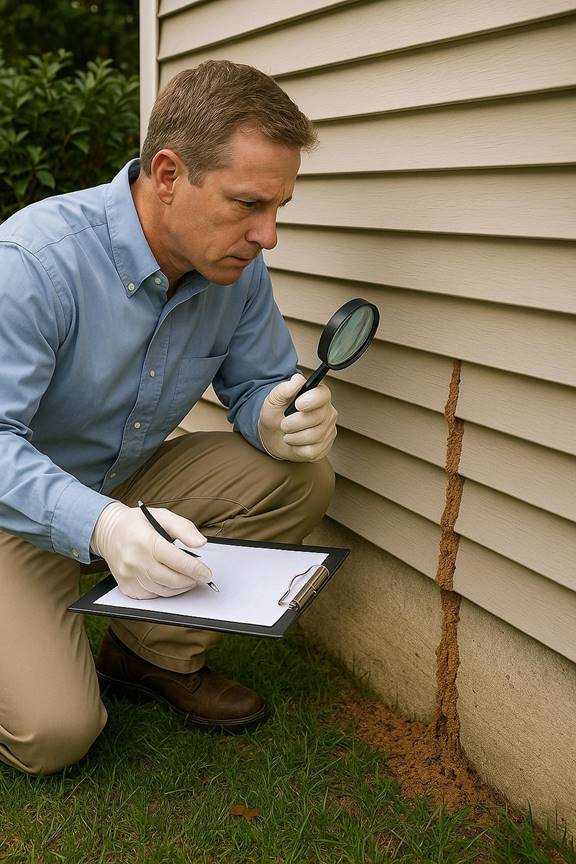
Step 3: Findings and Recommendations
The inspector explains observed evidence, notes areas that could not be accessed, and recommends appropriate next steps. Depending on the findings, those steps may include additional investigation, moisture correction, monitoring, or termite treatment.
A thorough inspection is more than a quick look at visible wood. It considers building access, moisture conditions, likely termite entry points, and evidence that may indicate current or previous activity.
Homeowners should ask whether the service includes a written report, what areas are covered, and whether treatment estimates or follow-up inspections are separate services.
What Is the Difference Between Termite Inspection and Termite Treatment?
Termite inspection and termite treatment serve different purposes. An inspection looks for evidence and assesses risk, while treatment uses appropriate control methods to address a confirmed or suspected termite problem.
| Termite inspection | Termite treatment |
| Examines accessible areas for evidence | Targets termite activity using an appropriate control method |
| Identifies damage and conditions that may attract termites | Aims to control the infestation |
| Documents observations and recommends next steps | May involve bait systems, soil treatments, or other suitable methods |
| Does not necessarily involve pesticides | May require regulated pesticide products and professional application |
The correct approach depends on termite species, the location of the activity, the building’s construction, and the extent of the problem. The U.S. Environmental Protection Agency recommends choosing appropriate termite-control methods and using pesticide products according to their labels.
Avoid applying random household chemicals to suspected termite areas. Improper products or applications may fail to address the colony and can create unnecessary safety concerns.
How to Choose a Termite Inspection Company in Springfield
When comparing a termite inspection company in Springfield, homeowners should consider qualifications, inspection scope, reporting practices, and the clarity of the recommendations.
Start by asking whether the inspector has the applicable Virginia credentials for the service being performed. For a wood-destroying organism inspection associated with a real estate transaction, confirm that the provider meets the relevant requirements.
Next, find out which areas will be inspected and whether inaccessible spaces will be identified in the report. Ask whether the inspection covers only termite evidence or also other wood-destroying organisms, since the scope may differ.
It is also useful to request a written explanation of findings, proposed treatment options, expected costs, and any warranty terms. A recommendation should explain why a particular approach is appropriate rather than relying on pressure or vague claims.
For Springfield property owners, Sure Shot Pest is a local starting point for learning about pest inspection and control options. Contact the company to discuss your concerns and confirm the services available for your property.
How Much Does a Termite Inspection Cost?
The cost of a termite inspection varies according to the property’s size, location, accessibility, inspection requirements, and whether a written real estate report is needed.
A basic residential inspection may differ in price from a specialized wood-destroying organism report required during a home purchase. Additional charges may apply for extensive documentation, difficult-to-access areas, or follow-up services.
Before scheduling, ask what the quoted price includes, whether the written report is included, and whether treatment is priced separately. If you receive multiple estimates, compare the inspection scope and reporting details as well as the price.
There is no single reliable price for every Springfield home, so requesting a property-specific estimate is the most useful way to understand the expected cost.
Practical Ways to Help Prevent Termites
Although no prevention measure can eliminate all risk, homeowners can reduce conditions that make their properties more attractive to termites.
Control Moisture Around the Property
Repair leaking pipes, faucets, and gutters. Make sure downspouts direct rainwater away from the foundation and address drainage issues that leave soil persistently wet. Keep crawl spaces appropriately ventilated and investigate recurring dampness.
Reduce Wood-to-Soil Contact
Avoid direct contact between soil and wooden siding, supports, steps, or other building components. Store firewood away from the house and keep unused lumber, cardboard, and wood debris from accumulating near the foundation.
Maintain the Foundation and Landscaping
Keep foundation areas accessible for inspection. Manage mulch so it does not cover siding or conceal vulnerable wooden components, and trim vegetation that obstructs the view of the building exterior.
Repair structural gaps and address conditions that allow water to collect near the home. Do not cover suspected termite tunnels before an inspector has had an opportunity to examine them.
Schedule Appropriate Follow-Up Inspections
A property with a previous termite infestation, ongoing moisture problems, or a termite treatment agreement may need regular monitoring. Follow the inspection schedule recommended for your property and treatment plan.
For further guidance, homeowners can consult the U.S. Environmental Protection Agency’s termite identification and control guide and Virginia Cooperative Extension’s termite information.
FAQs
1. How often should I hire a Termite Inspection Company?
Many homeowners schedule termite inspections annually, especially if the property has a history of termite activity or moisture problems. However, the ideal frequency depends on the property’s condition, previous treatments, and professional recommendations. Homes with recurring concerns may need more frequent monitoring.
2. What are the first signs of termites in a house?
Common warning signs include mud tubes on foundation walls, discarded wings near windows, hollow-sounding wood, and damaged wooden structures. Termites can remain hidden for long periods, so visible damage may not reveal how extensive the problem is. A professional inspection can help determine whether termites are present.
3. How long does a termite inspection take?
The inspection time depends on the property’s size, construction, accessibility, and the amount of evidence found. A straightforward residential inspection may take less time than an inspection involving multiple floors, a large crawl space, or extensive documentation. Ask the inspection company about its expected timeframe when booking.
4. Why should Springfield homeowners choose a Termite Inspection Company?
A qualified inspection company can identify possible termite activity, evaluate accessible structural areas, document its findings, and explain suitable next steps. Springfield homeowners should check the provider’s applicable credentials, inspection scope, and reporting practices before scheduling. Early investigation can help property owners make informed maintenance and treatment decisions.
Conclusion: Schedule a Termite Inspection with Sure Shot Pest
Termites can damage wooden structures while remaining hidden behind walls, beneath floors, and inside other inaccessible areas. Recognizing mud tubes, discarded wings, damaged wood, and moisture-related concerns can help homeowners identify when a professional inspection is needed.
For property owners in Springfield, Virginia, a Termite Inspection Company can help assess warning signs, document findings, and explain suitable prevention or treatment options. Routine property maintenance, moisture management, and appropriate follow-up inspections can also help reduce termite-related risks.
Concerned about termites in your home? Contact Sure Shot Pest to discuss your inspection needs and learn about available pest control services. Addressing suspicious signs early can help you make informed decisions about your property’s condition.