
Expert Rodent Control Services can help homeowners and businesses identify rodent activity, address entry points, and reduce the conditions that allow mice and rats to return. Rodents can hide inside walls, attics, crawl spaces, garages, and other less visible areas, making early detection important.
A rodent problem is rarely limited to seeing one mouse or rat. Droppings, gnaw marks, scratching sounds, nesting materials, unusual odors, and damaged food packaging can all indicate activity. Because rodents are mostly active when people are asleep, an infestation may grow before obvious signs appear.
For property owners in Springfield, understanding how rodent control works can make it easier to recognize a problem and choose an appropriate approach. Sure Shot Pest provides inspection-focused pest control services designed around the conditions found at each property.
Why Rodent Problems Need Attention
Rodents are adaptable animals that can enter properties through surprisingly small openings. Once inside, they may find food, water, warmth, and shelter.
Common concerns associated with indoor rodents include:
- Contamination of food and surfaces
- Droppings and unpleasant odors
- Gnawing on stored items and building materials
- Damage to insulation and nesting areas
- Possible damage to electrical wiring
- Repeated activity if entry points remain open
The key issue is that removing visible rodents does not always address the reason they entered. Effective Rodent Control considers both the current activity and the conditions that support future activity.
Signs You May Need Rodent Control
Rodent evidence is often easier to notice than the animals themselves. Watch for several signs around kitchens, garages, basements, attics, utility areas, and storage spaces.
Droppings
Small dark droppings around food storage areas, cabinets, appliances, walls, or hidden corners can indicate rodent activity. Fresh droppings may suggest ongoing activity, while older droppings can point to a previous problem.
Scratching and Movement
Hearing scratching, scurrying, or movement inside walls or ceilings at night may indicate mice or rats traveling through concealed spaces.
Gnaw Marks
Rodents continuously gnaw because their teeth keep growing. Chewed food packaging, wood, plastic, insulation, and other materials can be warning signs.
Nesting Materials
Shredded paper, fabric, insulation, cardboard, or other soft materials may be used to create nests in quiet areas.
Unusual Odors
Persistent musty or unpleasant odors in enclosed spaces can sometimes be associated with rodent nesting or contamination.
When multiple signs appear together, scheduling a professional Inspection can help determine whether activity is current and where it may be concentrated.
How Expert Rodent Control Works
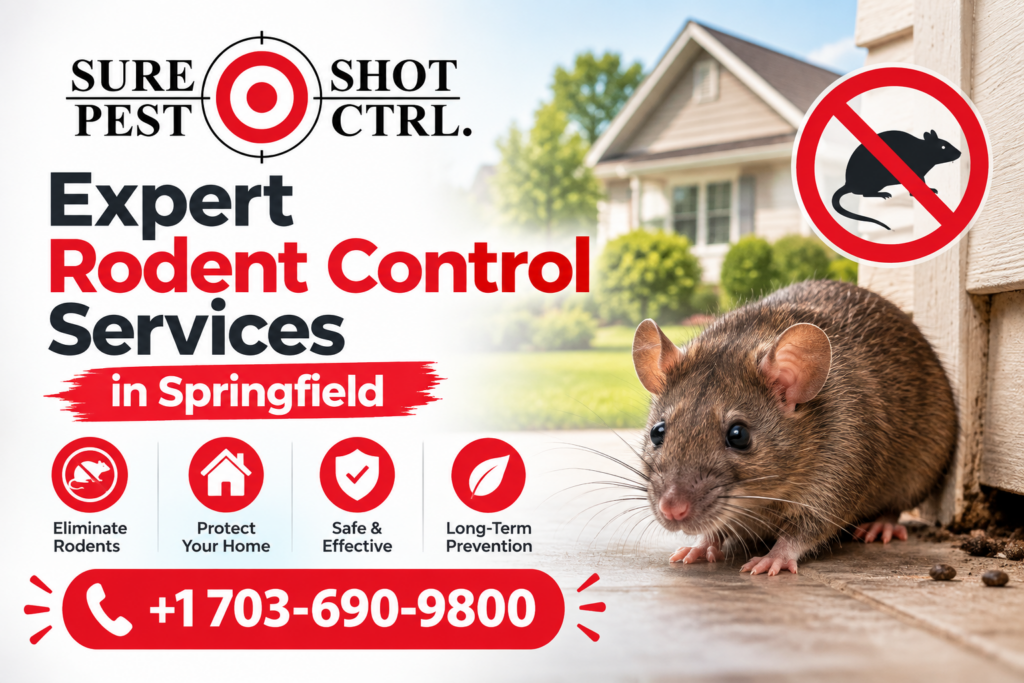
Expert Rodent Control is generally more effective when it begins with identifying the source of the problem rather than immediately treating visible signs.
A professional Rodent Control Specialist may evaluate the property for:
- Evidence of current rodent activity
- Potential entry points around the exterior
- Food and water sources
- Nesting locations
- Areas where rodents travel or hide
- Conditions that could encourage recurring activity
The findings from an inspection help determine the appropriate treatment strategy.
Step 1: Property Inspection
The first step is understanding where rodents are entering and where they are active. An inspection can include accessible indoor and outdoor areas, depending on the property and circumstances.
Step 2: Identify Entry Points
Common access areas can include gaps around pipes, vents, doors, foundations, utility penetrations, roof line openings, and damaged screens.
Step 3: Address Rodent Activity
Treatment should be based on the type and level of activity found during the inspection. Different properties may require different approaches.
Step 4: Reduce Attractants
Keeping food sealed, managing garbage, reducing clutter, and addressing moisture issues can make the property less attractive to rodents.
Step 5: Prevention and Follow-Up
Long-term control often requires attention to entry points and property conditions. Follow-up inspections may be useful when activity has been significant or recurring.
Why Professional Inspection Matters
A professional Inspection can provide information that is difficult to obtain from occasional visual checks. Rodents can move through concealed areas and may establish nests in places that are not immediately accessible.
An inspection can help answer important questions:
- Where are rodents entering?
- Is the activity current?
- Which areas show the strongest evidence?
- Are there multiple access points?
- What property conditions may contribute to the issue?
- What prevention measures should be considered?
This information allows treatment decisions to be based on observed conditions rather than assumptions.
Rodent Control for Springfield Properties
Homes and businesses in Springfield can experience rodent activity for different reasons, including available food, shelter, seasonal weather changes, landscaping conditions, construction gaps, and nearby sources of food or nesting material.
Rodent activity can also change with the seasons. As outdoor temperatures become less comfortable, rodents may look for protected indoor environments. This makes garages, attics, wall voids, basements, and utility spaces potential areas of concern.
Property owners should not wait for a large infestation before paying attention to warning signs. Early Rodent Control can help identify vulnerabilities before the problem becomes more difficult to manage.
DIY Rodent Control vs. Professional Help
Small property issues are sometimes addressed with basic sanitation and exclusion measures. However, recurring activity or evidence of a larger infestation can be more difficult to handle without professional assessment.
DIY approaches may overlook concealed nests, secondary entry points, or areas of activity that are not obvious.
Professional services can bring a structured process that includes inspection, identification, treatment planning, and prevention recommendations.
The right approach depends on the property, rodent species, level of activity, and access conditions.
How to Make Your Property Less Attractive to Rodents
Professional treatment works best when combined with sensible property maintenance.
Keep food in sealed containers and clean food spills promptly. Store pet food appropriately and avoid leaving it exposed overnight.
Inspect the exterior for cracks, gaps, damaged vents, and openings around utility lines. Door sweeps and properly maintained screens can also reduce potential access.
Reduce unnecessary clutter in garages, storage rooms, basements, and other quiet areas. Keep vegetation and stored materials from creating unnecessary shelter close to the building.
Also pay attention to leaks and standing water. A property with accessible food, water, and shelter can become more attractive to rodents.
Choosing a Rodent Control Company
When comparing a Rodent Control Company, look for a service that starts with an inspection and explains what was found.
A useful service provider should communicate clearly about:
- The evidence discovered during inspection
- Potential access points
- Recommended treatment methods
- Prevention measures
- Follow-up requirements
- What the property owner can do to reduce future activity
Clear communication matters because rodent control is not simply about treating one visible area. The goal is to understand the conditions contributing to the problem and address them appropriately.
Sure Shot Pest focuses on practical pest management for property owners who need help identifying and addressing rodent activity.
When Should You Schedule a Rodent Inspection?
You should consider an inspection when you notice repeated scratching noises, droppings, gnaw marks, nesting materials, damaged food packages, or unexplained activity in enclosed areas.
An inspection can also be worthwhile after finding a possible entry point, particularly when there are signs that rodents may already be inside.
The earlier the source and extent of activity are identified, the easier it can be to develop an appropriate control and prevention plan.
FAQs About Expert Rodent Control Services
1. What are Expert Rodent Control Services?
Expert Rodent Control Services involve professional inspection, identification of rodent activity, treatment planning, and prevention measures. The process focuses on understanding where rodents are active and how they are accessing a property so appropriate control measures can be selected.
2. When should I contact a Rodent Control Specialist?
Contact a Rodent Control Specialist when you notice droppings, scratching sounds, gnaw marks, nesting materials, damaged packaging, or repeated rodent sightings. Professional assessment can help determine whether the activity is current and identify possible entry points.
3. Does a rodent Inspection find where mice or rats enter?
A professional Inspection can identify visible and accessible gaps, cracks, vents, utility openings, and other potential access points. It can also locate evidence of activity in areas such as attics, garages, wall spaces, and storage areas.
4. Can Expert Rodent Control Services prevent rodents from returning?
Expert Rodent Control Services can include recommendations for reducing future activity, such as addressing entry points, improving sanitation, removing attractants, and correcting property conditions. Prevention is particularly important when rodent activity has occurred repeatedly.
Conclusion: Take Rodent Activity Seriously
Rodent problems can develop quietly, making early warning signs easy to overlook. Droppings, scratching sounds, gnaw marks, nesting materials, and repeated sightings should not be ignored.
Expert Rodent Control Services provide a structured way to inspect the property, identify activity, address contributing conditions, and develop practical prevention measures.
If you are dealing with suspected mice or rat activity in Springfield, Sure Shot Pest can help you take the next step with a professional inspection and appropriate rodent control approach. Contact the company to discuss your property and schedule an inspection.