
A Mold Removal Company helps homeowners and businesses identify, contain, clean, and address mold growth caused by moisture, leaks, flooding, condensation, or poor ventilation. Professional mold services may include visual inspection, moisture assessment, mold removal, contaminated-material handling, and recommendations for preventing the problem from returning.
Mold is a natural part of the environment, but indoor mold growth can become a concern when moisture remains present. The U.S. Environmental Protection Agency explains that moisture control is the key to controlling indoor mold and recommends addressing both the mold and the underlying water problem.
For property owners searching for Mold Removal Springfield services, understanding what the process involves can make it easier to determine when professional assistance is appropriate.
Why Does Mold Grow Indoors?
Mold needs moisture and a suitable surface to grow. Common sources include leaking pipes, roof leaks, plumbing problems, flooding, condensation, damp basements, poorly ventilated bathrooms, and excessive indoor humidity.
Mold can grow on or inside many household materials, including:
- Drywall and ceiling materials
- Wood and framing
- Carpet and upholstery
- Cardboard and paper products
- Insulation
- Bathroom surfaces
- Areas around windows and pipes
The EPA notes that mold spores are naturally present indoors and outdoors. The concern begins when moisture allows those spores to grow.
This is why simply wiping visible mold away may not solve the underlying issue. If the moisture source remains, mold may return.
When Should You Contact a Mold Removal Company?
A small amount of mold on an easily cleaned hard surface may sometimes be handled by a homeowner. However, professional assistance becomes more appropriate when the affected area is extensive, there has been significant water damage, mold is recurring, or the source is hidden.
The EPA states that homeowners can generally handle moldy areas smaller than approximately 10 square feet, while larger areas or substantial water damage may call for professional consultation.
Consider contacting a Mold Removal Company when you notice:
- A persistent musty odor
- Recurring mold after cleaning
- Extensive visible growth
- Mold following flooding or major water damage
- Damp drywall, flooring, or insulation
- Mold inside areas that are difficult to access
- A continuing plumbing or roof leak
- Visible moisture or condensation problems
A professional assessment can help determine whether the issue is limited to a surface or may extend into building materials.
What Happens During a Mold Inspection?
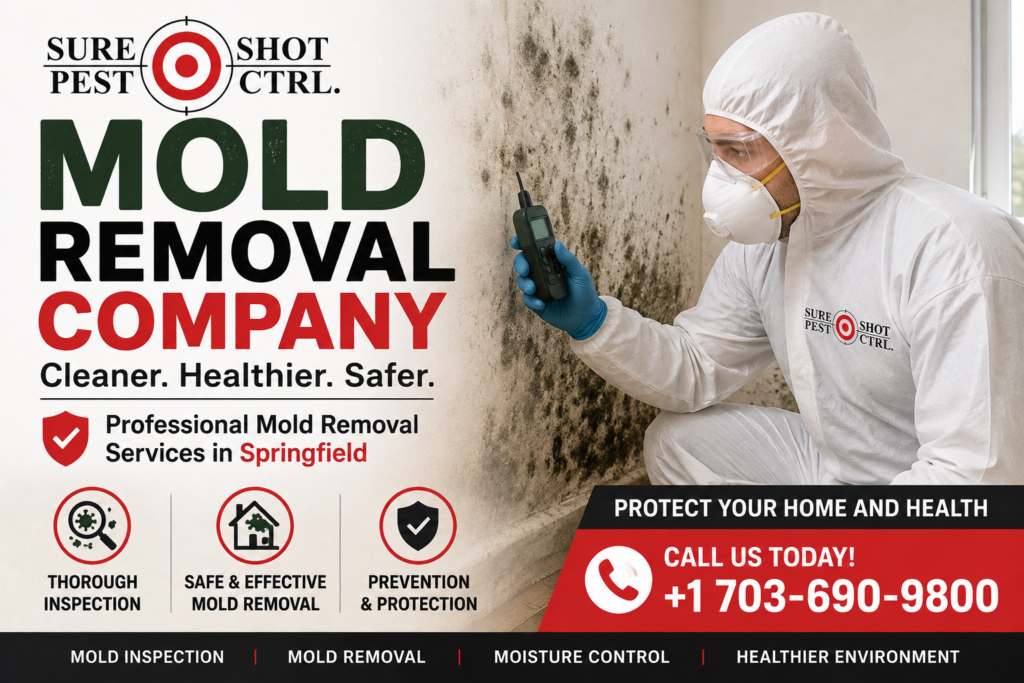
A Mold Removal Inspection typically begins with a visual assessment of the property. The goal is to identify visible mold, moisture conditions, water-damaged areas, and locations where hidden growth could potentially exist.
Depending on the property and circumstances, an inspection may consider:
Visible Mold
The inspector looks for discoloration, staining, fungal growth, and other visible signs on walls, ceilings, flooring, wood, and other materials.
Moisture Sources
Identifying moisture is essential because mold generally requires water or elevated humidity to grow. The inspection may focus on plumbing leaks, condensation, roof problems, drainage issues, HVAC-related moisture, and other contributing conditions.
Musty Odors
A persistent musty smell can sometimes indicate mold growth in areas that are not immediately visible.
Hidden Areas
Mold may exist behind drywall, beneath flooring, around pipes, inside wall cavities, or in other concealed locations following water damage.
It is also important to understand that mold testing is not always necessary. The CDC states that it does not recommend routine home mold testing because sampling does not reliably determine whether someone will become sick, and there are no established standards defining an acceptable amount of mold in a home.
How Does Professional Mold Removal Work?
The exact process depends on the location, size, materials involved, and cause of the mold growth.
A typical Mold Removal process may involve identifying the moisture source, preparing the affected area, removing or cleaning contaminated materials, drying the area, and addressing conditions that could encourage future growth.
The important point is that mold removal should not be treated as a simple cosmetic cleaning job.
For example, painting over mold does not resolve the problem. EPA guidance specifically recommends cleaning mold and drying the surface before painting or caulking.
Where porous materials have become heavily contaminated, removal or replacement may sometimes be necessary because mold can penetrate materials such as carpet, ceiling tiles, and other absorbent surfaces.
Why Moisture Control Matters After Mold Removal
Removing visible mold is only part of addressing a mold problem. The moisture source must also be corrected.
For example, if mold develops because of a leaking pipe, cleaning the wall without repairing the leak leaves the underlying condition unchanged. Similarly, excessive humidity can contribute to recurring mold in bathrooms, basements, kitchens, and other areas.
EPA guidance recommends keeping indoor relative humidity below 60%, ideally between 30% and 50%, and using ventilation, air conditioning, or de humidification when needed.
Homeowners can also reduce moisture by:
- Repairing leaks promptly
- Using bathroom exhaust fans
- Venting clothes dryers outdoors
- Improving airflow
- Using a dehumidifier when appropriate
- Drying wet materials quickly
- Addressing condensation around windows and pipes
EPA recommends drying wet or damp materials within approximately 24–48 hours when possible to reduce the chance of mold growth.
Mold Removal in Springfield: What Local Property Owners Should Watch For
Springfield homeowners can encounter mold problems for many of the same reasons found in other residential areas: plumbing leaks, roof issues, bathroom humidity, basement moisture, HVAC condensation, and water damage.
A seasonal change, storm, plumbing failure, or unnoticed leak can create conditions where mold develops behind walls or under flooring.
If you notice a recurring musty odor, water staining, discoloration, or mold that returns shortly after cleaning, it is worth investigating the source rather than repeatedly treating the visible surface.
For property owners searching for a Mold Removal Company in Springfield, the most useful approach is to look for a service that considers both the visible mold and the moisture conditions contributing to it.
Is Mold Dangerous?
Mold exposure does not affect everyone in the same way. According to the CDC, exposure to damp and moldy environments may cause symptoms such as stuffy nose, sore throat, coughing, wheezing, burning eyes, or skin irritation in some people. People with asthma or mold allergies may experience more significant reactions.
Certain individuals may be more vulnerable to health effects from mold exposure. The CDC advises people with allergies, immune suppression, underlying lung disease, or certain chronic respiratory conditions to avoid participating in mold cleanup.
For health concerns related to possible mold exposure, consult a qualified healthcare professional rather than relying on a home mold test to determine whether symptoms are caused by mold.
Can You Remove Mold Yourself?
Small areas of mold on hard, washable surfaces may sometimes be cleaned by homeowners using appropriate precautions. However, larger areas, extensive water damage, contaminated porous materials, or hidden mold can make the situation more complicated.
The CDC recommends appropriate protective equipment during cleanup, including respiratory protection, gloves, and eye protection. It also warns against mixing bleach with ammonia or other cleaning products because dangerous vapors can result.
If the affected area is extensive or the property has experienced significant water damage, professional evaluation may be a more appropriate option.
How to Choose a Mold Removal Company
When comparing a Mold Removal Company, homeowners should look beyond a simple price quote.
Ask about the company’s inspection process, how it identifies moisture sources, what areas are included in the service, how affected materials are handled, and what steps are recommended after cleanup.
A reliable service provider should communicate clearly about the condition of the property instead of making unsupported claims about eliminating every mold spore. Indoor mold spores naturally exist in the environment, so the practical goal is to control moisture and address problematic indoor growth.
For Mold Removal Springfield searches, local availability is also important because prompt assessment can be useful after water damage or when mold is actively spreading.
Mold Prevention Tips for Homeowners
Preventing excessive moisture is one of the most useful ways to reduce the likelihood of recurring mold.
Keep bathrooms ventilated, repair plumbing problems promptly, monitor indoor humidity, and address leaks as soon as they are discovered. After water damage, dry affected areas and materials as quickly as practical.
The EPA emphasizes that mold control begins with moisture control.
If a musty odor continues even after visible mold has been cleaned, investigate further. Hidden moisture or concealed mold may be contributing to the problem.
FAQ
What does a Mold Removal Company do?
A Mold Removal Company evaluates mold growth and the moisture conditions contributing to it, then provides appropriate cleanup or removal services. Depending on the situation, the process may involve inspection, containment, cleaning, removal of damaged porous materials, drying, and recommendations for preventing recurring mold.
How much mold requires a professional?
The appropriate response depends on the size and circumstances of the affected area. EPA guidance says areas smaller than about 10 square feet can often be handled by homeowners, while larger areas, extensive water damage, or complicated contamination may warrant professional assistance.
Is mold inspection necessary before Mold Removal?
An inspection can help identify visible growth, moisture sources, and potentially affected areas before cleanup begins. However, routine mold testing is not always necessary. The CDC does not recommend routine home mold testing because test results do not reliably predict health effects.
How can I prevent mold from returning?
Fix the source of moisture, repair leaks, control indoor humidity, improve ventilation, and dry wet materials quickly. EPA recommends keeping indoor humidity below 60%, ideally between 30% and 50%, and drying damp materials within 24–48 hours when possible.
Conclusion: Address Mold at the Source
Mold is more than a surface stain. Successful Mold Removal starts by understanding why the growth developed in the first place. Moisture from leaks, flooding, condensation, or excessive humidity can create conditions where mold continues to grow if the underlying problem is ignored.
If you are dealing with recurring mold, musty odors, visible growth, or water-damaged areas, a professional Mold Removal Company can help assess the situation and determine the appropriate next steps.
For homeowners searching for Mold Removal Springfield services, Sure Shot Pest can be a convenient starting point for discussing your property concerns and determining whether an inspection or mold-related service is appropriate.
Contact Sure Shot Pest today to learn more about mold-related services and available options for your property.